
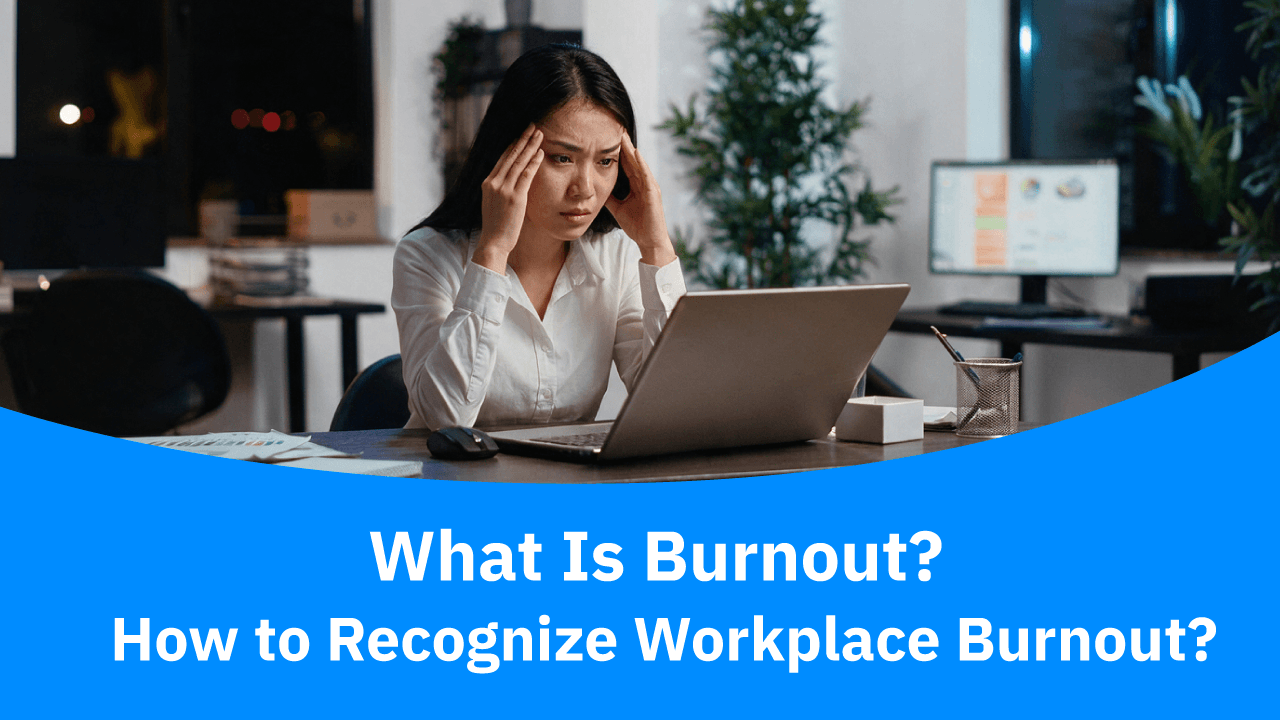
What Is Burnout? Signs of Workplace Burnout and How to Cope
Burnout is a condition caused by chronic workplace stress that has not been successfully managed. Its three main signs are exhaustion even after resting, emotional detachment from work, and reduced performance. If you wake up dreading work or feel that your efforts have no meaning, try the 10-item self-assessment below. Learn how burnout differs from everyday stress, how employees can cope, and what HR can do to prevent it in the workplace.
Table of Contents:
- What Is Burnout? Signs of Workplace Burnout and How to Cope
- What Is Burnout?
- How Does Burnout Differ from Stress and Depression?
- What Are the Symptoms of Burnout?
- What Causes Burnout?
- Are You Burning Out? A 10-Item Self-Assessment
- What Should You Do About Burnout? Coping Strategies for Employees
- How Can HR and Organizations Prevent Burnout?
- FAQ: Frequently Asked Questions About Burnout
What Is Burnout?
Burnout is more than ordinary tiredness that goes away after a good night's sleep or a weekend off. It develops when work-related stress builds up beyond your ability to cope. The World Health Organization (WHO) identifies burnout as specifically related to work and does not classify it as a medical condition. However, leaving it unaddressed can affect both physical and mental health. The three main signs are:
|
Sign |
Meaning |
Real-Life Examples |
|
Exhaustion |
Feeling physically and emotionally drained, even after resting |
Still feeling tired after a full night's sleep; finding Mondays especially difficult |
|
Cynicism and Detachment from Work |
Feeling disengaged, resistant, or negative about work |
Thinking, "What's the point?"; avoiding conversations with clients or colleagues |
|
Reduced Work Performance |
Feeling ineffective and unable to achieve results |
Making frequent mistakes, taking longer to make decisions, and feeling no pride in your work |
How Does Burnout Differ from Stress and Depression?
Stress feels like "having too much to handle," while burnout feels like "having nothing left to give." Depression, meanwhile, is a mental health condition that affects all areas of life, not just work.
|
Aspect |
Stress |
Burnout |
Depression |
|
Main Feelings |
Urgency and anxiety |
Emptiness and lack of motivation |
Sadness and hopelessness |
|
Scope |
Various areas of life |
Primarily work-related |
All areas of life |
|
Energy |
Still able to keep going, but tired |
Drained and unwilling to keep going |
Loss of enjoyment in previously enjoyable activities |
|
Does Rest Help? |
Usually improves with rest |
Improves temporarily, then returns when the same work issues arise |
Often does not improve with rest |
|
Medical Classification |
Not a medical condition |
Not a medical condition |
A medical condition that requires treatment |
If sadness, hopelessness, or difficulty sleeping lasts longer than two weeks and also affects your life outside work, consult a doctor or psychologist. It may be more than burnout.
What Are the Symptoms of Burnout?
Burnout symptoms can be physical, emotional, and behavioral. They often build up gradually without the person noticing.
Physical Symptoms
-
Persistent exhaustion that does not improve with rest
-
More frequent headaches and pain in the neck and shoulders
-
Difficulty sleeping or sleeping much more than usual
-
Getting sick easily and reduced immunity
Emotional Symptoms
-
Feeling a lack of purpose or motivation
-
Becoming easily irritated and less patient with minor issues
-
Feeling isolated and misunderstood
-
Doubting your abilities
Behavioral Symptoms
-
Procrastinating and spending more time working while getting less done
-
Taking leave, missing work, or arriving late more often
-
Withdrawing from colleagues and avoiding meetings
-
Relying on caffeine, alcohol, or food to get through each day
What Causes Burnout?
Burnout is not caused by personal "weakness." It often stems from a mismatch between people and their work. The six main risk factors are:
|
Factor |
Signs in the Workplace |
|
Workload |
An overwhelming workload, ongoing overtime, and no time to recover |
|
Control |
Having no say in decisions about your own work |
|
Reward |
Putting in effort without recognition, with pay that does not reflect performance |
|
Relationships |
Team conflict and a lack of support from managers |
|
Fairness |
A lack of transparency in performance reviews, promotions, or work allocation |
|
Values |
Work that conflicts with your personal values or beliefs |
Are You Burning Out? A 10-Item Self-Assessment
Score each statement based on how often it applied to you over the past month: Never = 0, Occasionally = 1, Often = 2, and Almost every day = 3.
|
No. |
Statement |
Dimension |
|
1 |
You wake up feeling tired before you even start work |
Exhaustion |
|
2 |
You feel drained after work and do not want to do anything else |
Exhaustion |
|
3 |
You still feel tired after taking time off |
Exhaustion |
|
4 |
You feel indifferent and no longer care how your work turns out |
Detachment |
|
5 |
You become easily irritated with colleagues, clients, or your manager |
Detachment |
|
6 |
You think, "There is no point in doing this." |
Detachment |
|
7 |
You want to avoid meetings or work-related conversations |
Detachment |
|
8 |
You make mistakes or forget things more often than before |
Reduced Effectiveness |
|
9 |
You question whether you can still do your job well |
Reduced Effectiveness |
|
10 |
You spend more time working but get less done |
Reduced Effectiveness |
Interpreting Your Score (Out of 30)
|
Score |
Level |
Recommended Action |
|
0-10 |
Within the Normal Range |
Maintain your current work-life balance |
|
11-17 |
Early Warning Signs |
Adjust how you work, take meaningful breaks, and discuss your workload with your manager |
|
18-24 |
At Risk of Burnout |
Plan to reduce your workload, take annual leave, and seek support from HR |
|
25-30 |
High Level of Burnout |
Consult a mental health professional |
This self-assessment is an initial screening tool for personal reflection, not a medical diagnosis. For advice, call Thailand's Department of Mental Health hotline at 1323.
What Should You Do About Burnout? Coping Strategies for Employees
Addressing burnout involves adjusting your workload while taking care of yourself. Rest alone may provide only temporary relief if the underlying work-related causes remain unresolved. Start by discussing priorities and a manageable workload with your manager. Make time to rest, exercise, and talk to someone you trust. If symptoms affect your daily life, consult a professional for appropriate guidance.
For a step-by-step guide, see How to Cope with Workplace Burnout
How Can HR and Organizations Prevent Burnout?
HR can prevent burnout most effectively by using data to spot early warning signs and addressing problems in work processes before employees resign. Recruitment costs and the loss of organizational knowledge are much greater than the cost of prevention.
1. Keep Working Hours Compliant with the Law
Thailand's Labour Protection Act B.E. 2541 (1998) sets basic standards that help prevent overwork:
|
Topic |
Legal Requirement |
|
Normal Working Hours |
No more than 8 hours per day and 48 hours per week |
|
Overtime (OT) |
Employees must give prior consent on each occasion |
|
Rest Breaks |
At least 1 hour after no more than 5 hours of work |
|
Weekly Rest Days |
At least 1 day per week |
|
Annual Leave |
At least 6 working days per year after completing 1 year of service |
For details on calculating overtime pay, see How to Calculate OT Under Thai Labour Law
2. Use HR Data to Spot Warning Signs
HR can look for warning signs in data already available in the system:
|
Data |
Burnout Warning Signs |
|
OT Hours |
Consistently high overtime over several months, or overtime concentrated among the same employees |
|
Annual Leave |
Large amounts of unused leave |
|
Sick Leave / Lateness |
Sick leave or lateness becoming more frequent than usual |
|
Turnover Rate |
A team with an above-average turnover rate |
HR systems that bring attendance, overtime, and leave data together, such as HumanSoft's Time Attendance and OT Calculation System and Online Leave Management System, help HR access these reports immediately without compiling data from multiple Excel files.
3. Improve Work Processes Alongside Workplace Activities
-
Distribute workloads fairly and review staffing levels against the amount of work
-
Encourage employees to use their annual leave, for example by sending reminders when large leave balances remain near year-end
-
Train managers to recognize burnout and create opportunities to discuss workloads
-
Conduct regular employee engagement surveys
-
Provide access to mental health support, such as an Employee Assistance Program (EAP) or benefits covering consultations with a psychologist
Read more: What Is Employee Engagement? and How to Reduce Employee Turnover
FAQ: Frequently Asked Questions About Burnout
Q: How Does Burnout Differ from Depression?
A: Burnout results from chronic workplace stress and often improves when work-related problems are addressed. Depression is a mental health condition that affects all areas of life and often does not improve with rest. If sadness or hopelessness lasts longer than two weeks, consult a doctor.
Q: What Are the Early Signs of Burnout?
A: Common early signs include exhaustion even after resting, a lack of motivation at work, irritability, emotional detachment from work, and more frequent mistakes. Some people also experience physical symptoms such as headaches, difficulty sleeping, or getting sick easily.
Q: How Can HR Tell Whether Employees Are Experiencing Burnout?
A: HR can look at system data, such as consistently high overtime, accumulated unused annual leave, increasingly frequent sick leave or lateness, and team turnover rates, alongside employee engagement survey results and conversations with managers.
Q: Is Burnout a Medical Condition?
A: It is not classified as a medical condition. It is a state of burnout resulting from chronic workplace stress that has not been successfully managed.
Q: Who Is Most at Risk of Burnout?
A: People with heavy workloads, ongoing pressure, insufficient rest, and a lack of support from managers or their team.
Read More Related Articles


